


Beef Liver for Low Ferritin: Why It May Help Support Healthy Iron Levels Naturally
Low ferritin is incredibly common in women today. And while the conventional answer is usually: “Take more iron.”
…the reality is often much more nuanced than that.
At Jool Wellness, we see low ferritin levels all the time through our work in fertility and hypothalamic amenorrhea (HA) recovery at The HA Society.
Many of the women we work with are what society would consider “healthy.”
They eat clean.
Exercise consistently.
Track their macros.
Stay disciplined.
Rarely miss a workout.
And yet many are struggling with:
- low ferritin
- fatigue
- missing periods
- infertility
- poor recovery
- cold hands and feet
- hair loss
- burnout symptoms
Why?
Because many women today are unknowingly undernourished in the name of health. And no, you do not need to lose your period to experience symptoms of low energy availability.
You can outwardly look healthy while internally your body feels depleted, stressed, and under-resourced. This is why we believe supplements should be supplemental.
No beef liver supplement can out-supplement:
- chronic under-eating
- overtraining
- poor sleep
- high stress
- restrictive eating habits
- a body stuck in survival mode
But once the foundations are in place?
Beef liver can become one of the most powerful whole-food tools for supporting healthy ferritin and iron levels naturally.
What Is Ferritin?
Ferritin is your body’s iron storage protein. Think of it as your iron reserve tank.
Iron is essential for:
- oxygen transport
- energy production
- thyroid function
- red blood cell production
- metabolism
- cognitive function
- fertility
Ferritin stores iron safely so the body can access it when needed. When ferritin levels are low, it often signals that iron reserves are running low too.¹
Low ferritin levels can contribute to symptoms like:
- fatigue
- weakness
- dizziness
- shortness of breath
- exercise intolerance
- poor recovery
- hair shedding
- brain fog
- cold intolerance
And while heavy menstrual bleeding can contribute to low iron in some women, that is far from the only reason ferritin becomes depleted.
Why Low Ferritin Is Common in “Healthy” Women
One of the biggest misconceptions around low ferritin is that it only happens from blood loss.
But in our fertility practice, we commonly see low ferritin in women with hypothalamic amenorrhea (HA), women who are not menstruating at all.
Which raises an important question: If they are not bleeding, why are ferritin levels still low?
Because low ferritin is often about more than iron intake alone.
Research shows that chronic under-fueling, restrictive eating, excessive exercise, stress, and impaired nutrient absorption can all contribute to low ferritin and disrupted iron metabolism.² ³
This is something we believe the wellness world gets wrong all the time.
Many women are praised for behaviors that slowly deplete the body:
- over-exercising
- chronic dieting
- skipping meals
- surviving on caffeine
- replacing meals with “healthy” snacks
- avoiding nutrient-dense foods (aka butter, red meat, organ meat, dairy)
- functioning in constant stress
Eventually the body adapts by conserving energy and downregulating systems that are not essential for survival, including reproduction.
This is why many women with HA also struggle with:
- low ferritin
- low energy
- poor recovery
- digestive issues
- hormone imbalances
The body cannot create abundance from deprivation.
Can Under-Eating Cause Low Ferritin?
Yes, absolutely.
Low energy availability can significantly impact:
- nutrient intake
- digestion
- absorption
- hormone production
- iron metabolism
Research shows that restrictive eating patterns reduce intake of iron-rich foods along with important cofactors like folate, B12, and vitamin C that support healthy iron status.²
Chronic stress and undernutrition can also impair gut function and nutrient absorption.⁴
This creates what we often call a “double hit”:
- lower intake of nutrients
- poorer absorption and utilization of nutrients
Meaning even if iron is being consumed, the body may not be using it efficiently.
Why Stress and Hormones Matter for Iron Levels
One of the most overlooked aspects of low ferritin is the role stress physiology plays in iron metabolism.
Research shows that chronic stress and elevated cortisol can increase inflammatory signaling and disrupt iron metabolism through a hormone called hepcidin.⁵ ⁶
Hepcidin acts like a gatekeeper for iron.
When hepcidin is elevated:
- iron absorption decreases
- iron mobilization becomes impaired
- ferritin and iron markers can become dysregulated
Low estrogen, which commonly occurs in hypothalamic amenorrhea and low energy availability, can further impair healthy iron regulation and nutrient absorption.⁷ ⁸
This is why simply taking large doses of iron does not always solve the root issue. Your body has to feel safe enough to properly absorb, utilize, and recycle nutrients.
Why Beef Liver Is One of the Best Foods for Low Ferritin
Once the foundations are in place, beef liver can become an incredibly supportive food for healthy ferritin and iron levels.
Why?
Because beef liver naturally contains:
- highly bioavailable heme iron
- vitamin A
- copper
- vitamin B12
- folate
- other nutrients involved in healthy red blood cell production and iron metabolism
Unlike many fortified foods or isolated iron supplements, beef liver provides nutrients in forms the body recognizes and knows how to use.
Heme Iron vs Non-Heme Iron
There are two primary forms of dietary iron:
- heme iron
- non-heme iron
Heme iron is found in animal foods like red meat and liver. Non-heme iron is found in plant foods and fortified products.
Heme iron is significantly more bioavailable, meaning the body absorbs and utilizes it more efficiently.⁹
This is one reason beef liver is such a powerful whole-food source of iron support.
Beef Liver Contains More Than Just Iron
One of the biggest reasons we love beef liver for low ferritin support is because iron does not work alone. The body requires multiple nutrients to properly transport, recycle, and utilize iron.
Two major players are:
- copper
- vitamin A
Educational research on iron metabolism shows that copper and vitamin A help support healthy iron movement and mobilization throughout the body. Without adequate copper and vitamin A, iron may not be effectively utilized.
This is one reason why isolated iron supplementation does not always work as well long term.
Beef liver naturally contains:
- heme iron
- vitamin A
- copper
- folate
- B12
all packaged together in a nutrient-dense whole-food matrix.
This is exactly why liver has traditionally been valued across cultures for:
- vitality
- energy
- fertility
- recovery
- nourishment
Beef Liver vs Iron Supplements
This does not mean iron supplements are always bad or unnecessary.
There are absolutely situations where iron supplementation may be appropriate under practitioner guidance.
But many women are missing the bigger picture:
- Are you eating enough?
- Is your body under chronic stress?
- Are you overtraining?
- Are you absorbing nutrients properly?
- Are you getting adequate micronutrients?
- Is your body actually in a nourished state?
At Jool Wellness, we believe whole foods should always be the foundation whenever possible. Because health is not built through isolated nutrients alone. It is built through nourishment.
How to Support Healthy Ferritin Levels Naturally
If you want to support healthy ferritin levels naturally, focus on:
- eating enough food consistently
- reducing chronic under-fueling
- prioritizing adequate protein
- consuming nutrient-dense foods
- managing stress
- supporting gut health
- getting quality sleep
- balancing exercise and recovery
- incorporating bioavailable iron-rich foods like beef liver and red meat
This is the difference between forcing the body…and actually supporting it.
Why We Use Freeze-Dried New Zealand Beef Liver
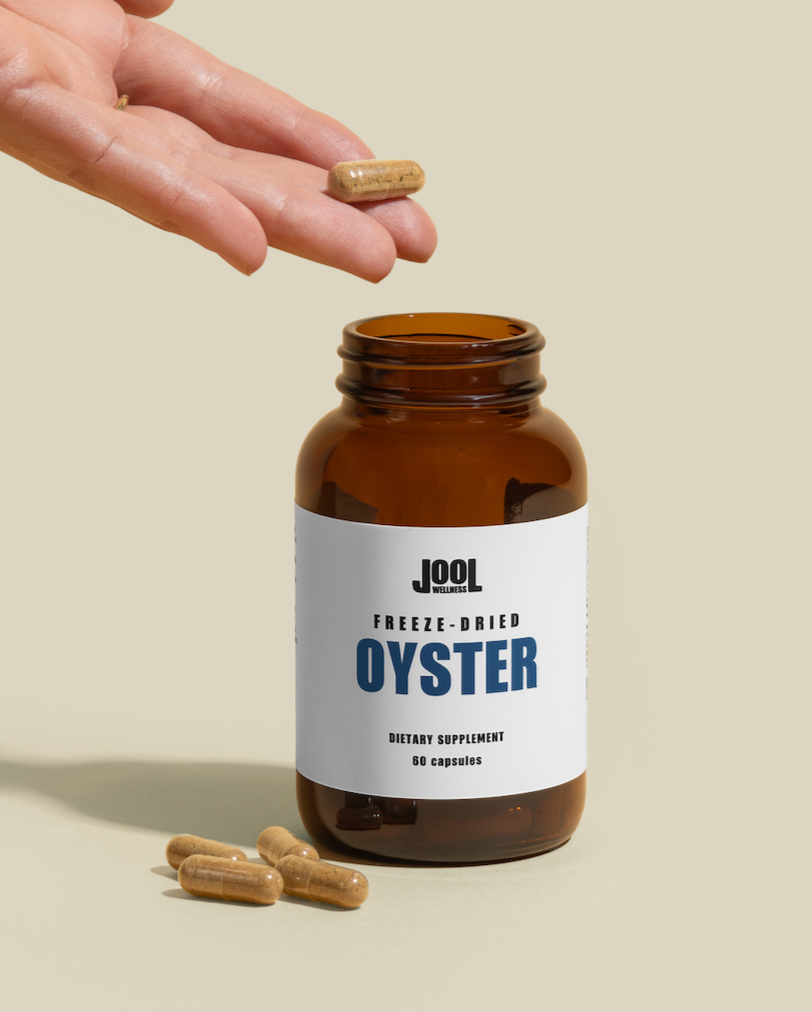
At Jool Wellness, our freeze-dried New Zealand beef liver capsules are designed to make incorporating liver simple and sustainable.
We source from pasture-raised New Zealand cattle and freeze-dry the liver to help preserve its naturally occurring nutrients.
Because supporting your body should not require perfection or extremes.
Just consistent nourishment.
Frequently Asked Questions
Can low ferritin be caused by under-eating?
Yes. Chronic under-fueling and low energy availability can impair nutrient intake, hormone production, digestion, and iron metabolism, all of which can contribute to low ferritin levels.² ⁴
Is beef liver high in iron?
Yes. Beef liver is naturally rich in highly bioavailable heme iron, the form of iron most efficiently absorbed and utilized by the body.
Why is heme iron important?
Heme iron is more bioavailable than non-heme iron, meaning the body absorbs and uses it more efficiently.⁹
Does beef liver contain nutrients besides iron?
Absolutely. Beef liver also contains vitamin A, copper, folate, B12, and other nutrients involved in healthy iron metabolism and red blood cell production.
Can you have low ferritin without anemia?
Yes. Low ferritin can occur before anemia develops and may still contribute to symptoms like fatigue, hair loss, poor recovery, and low energy.
Ready to Support Your Ferritin Levels Naturally?
If you’re working on rebuilding your energy, supporting recovery, improving iron status, or simply nourishing your body more deeply, beef liver can be an incredibly powerful addition to a nutrient-dense lifestyle.
Our freeze-dried New Zealand beef liver capsules make it easy to consistently support your body with:
- highly bioavailable heme iron
- vitamin A
- copper
- B12
- folate
- naturally occurring cofactors that support healthy iron metabolism
Try Jool Wellness Beef Liver and support your body from the inside out.
References
- Roddie, C., & Davis, B. (2009). Iron, B12 and folate. Medicine, 37, 125–128.
- Dobranowska, K., Plińska, S., & Dobosz, A. (2024). Dietary and lifestyle management of functional hypothalamic amenorrhea: A comprehensive review. Nutrients, 16(17), 2967.
- Ryterska, K., Kordek, A., & Załęska, P. (2021). Functional hypothalamic amenorrhea—What is this story about? Nutrients, 13(8), 2827.
- Leigh, S.-J., et al. (2023). The impact of acute and chronic stress on gastrointestinal physiology and function. Journal of Physiology, 601, 4491–4538.
- Podfigurna, A., & Meczekalski, B. (2021). Functional hypothalamic amenorrhea: A stress-based disease. Endocrines, 2(3), 203–211.
- Meynard, D., Babitt, J. L., & Lin, H. Y. (2014). The liver: Conductor of systemic iron balance. Blood, 123(2), 168–176.
- Badenhorst, C. E., Forsyth, A. K., & Govus, A. D. (2022). A contemporary understanding of iron metabolism in active premenopausal females. Frontiers in Sports and Active Living, 4, 903937.
- Yang, Q., et al. (2012). 17β-estradiol inhibits iron hormone hepcidin through an estrogen responsive element half-site. Endocrinology, 153(7), 3170–3178.
- NIH Office of Dietary Supplements. Iron Fact Sheet for Health Professionals.
 Back to Education