


10 Science-Backed Benefits of Freeze-Dried Beef Liver Capsules
Beef liver has long been considered one of the most nutrient-dense foods available.
Often referred to as “nature’s multivitamin,” beef liver naturally contains a broad spectrum of vitamins, minerals, amino acids, and cofactors involved in:
- energy production
- immune health
- fertility
- metabolism
- nervous system function
- recovery
- overall vitality
And because freeze dried beef liver capsules offer a convenient way to consume liver without regularly cooking organ meats, they’ve become increasingly popular as part of a whole food supplement routine.
Here are 10 science-backed benefits of freeze dried beef liver and why so many people are incorporating beef liver capsules into their daily routine.
1. Beef Liver Is Exceptionally Nutrient Dense
Beef liver naturally contains:
- vitamin A
- vitamin B12
- iron
- folate
- copper
- choline
- amino acids
- CoQ10
Unlike isolated synthetic supplements, whole food nutrients naturally exist alongside cofactors that help support absorption and utilization within the body.
This is one reason many people prefer freeze dried beef liver supplements over conventional multivitamins.
2. Supports Energy Production & Red Blood Cell Health
Beef liver naturally contains highly bioavailable heme iron and vitamin B12, both of which play important roles in:
- oxygen transport
- red blood cell formation
- cellular energy production
- nervous system function
Iron deficiency is one of the most common nutrient deficiencies worldwide and may contribute to fatigue, reduced endurance, and poor recovery.¹
Because beef liver naturally contains heme iron, the form most efficiently absorbed by the body, it is commonly used to support energy and iron intake.
3. Supports Immune Function
Beef liver naturally contains nutrients involved in immune health including:
- vitamin A
- zinc
- copper
- vitamin B12
Zinc plays important roles in immune cell development, inflammatory regulation, and immune signaling.²
Vitamin A also helps support epithelial tissues and immune barrier integrity throughout the body.
4. Supports Vision & Eye Health
Beef liver is one of the richest natural food sources of preformed vitamin A (retinol), the active form of vitamin A the body directly utilizes.
Vitamin A plays important roles in:
- retinal function
- vision
- immune health
- cellular growth
- epithelial tissue integrity
Adequate vitamin A intake is essential for maintaining healthy vision and eye function.³
5. Provides Amino Acids for Recovery & Muscle Support
Beef liver naturally contains protein and amino acids involved in:
- tissue repair
- recovery
- muscle maintenance
- metabolic function
Protein intake plays important roles in exercise recovery, muscle repair, and physical resilience.⁴
This is one reason many athletes and active individuals incorporate beef liver supplements into their routine.
6. Supports Brain & Nervous System Function
Beef liver naturally contains vitamin B12 and choline, nutrients involved in:
- nervous system signaling
- neurotransmitter production
- cognition
- memory
- brain health
Vitamin B12 deficiency may contribute to neurological symptoms, fatigue, and cognitive dysfunction.⁵
Choline is also an important nutrient for nervous system and brain function that many people under-consume.
7. Supports the Body’s Natural Metabolic Processes
The liver itself plays central roles in metabolism and nutrient storage.
Beef liver naturally contains nutrients involved in:
- antioxidant defense
- methylation
- metabolism
- cellular repair
- energy production
Rather than “detoxing” the body directly, these nutrients help support the body’s natural metabolic and antioxidant processes.
8. Supports Skin Health
Beef liver naturally contains nutrients involved in:
- skin integrity
- collagen production
- wound healing
- cellular repair
Including:
- vitamin A
- copper
- zinc
- amino acids
These nutrients play important roles in maintaining healthy skin and epithelial tissue function.⁶
9. Supports Bone Health
Beef liver naturally contains phosphorus, a mineral involved in:
- skeletal structure
- bone mineralization
- cellular energy production
Phosphorus works alongside additional nutrients like calcium and vitamin D to help support overall bone health.⁷
10. Supports Hair, Nail & Tissue Health
Beef liver naturally contains nutrients involved in:
- keratin production
- connective tissue health
- hair growth
- nail integrity
Including:
- biotin
- protein
- vitamin A
- iron
- zinc
This is one reason beef liver supplements are commonly discussed in conversations around hair, skin, and nail health.
Why Freeze-Dried Beef Liver Capsules?
Not everyone wants to cook and eat liver regularly.
Freeze dried beef liver capsules provide a convenient way to consume beef liver while helping preserve nutrients in their whole food form.
At Jool Wellness, our freeze dried beef liver capsules are:
- sourced from 100% grass-fed New Zealand cattle
- freeze dried to preserve nutrient integrity
- third-party tested
- free from fillers and synthetic additives
- packaged in amber glass
Our goal is not to create synthetic mega-dose supplements.
It is to preserve the natural nutritional profile of whole foods as closely as possible.
Whole Food Supplements vs Synthetic Vitamins
One of the biggest differences between whole food supplements and synthetic supplements is the food matrix.
Whole food nutrients naturally exist alongside:
- amino acids
- fats
- peptides
- trace minerals
- cofactors
These nutrients work synergistically within the body rather than functioning in isolation.
This is one reason many people prefer freeze dried beef liver supplements over isolated synthetic nutrients.
Supplements Are Supplemental
At The HA Society, our fertility practice, we talk often about how supplements are supplemental. And this matters.
Because no supplement can compensate for:
- chronic under-eating
- excessive stress
- poor sleep
- nutrient depletion
- overtraining
- low energy availability
Whole food supplements work best when they are supporting an already nourished, well-fed body. The goal is not to override physiology. The goal is to support it.
Frequently Asked Questions
What are the benefits of freeze-dried beef liver capsules?
Freeze dried beef liver capsules naturally provide vitamin A, B12, iron, copper, choline, amino acids, and additional nutrients involved in energy, immunity, recovery, fertility, and overall vitality.
Is freeze-dried beef liver good for energy?
Beef liver naturally contains highly bioavailable heme iron and vitamin B12, both of which support oxygen transport and cellular energy production.
Are beef liver supplements better than multivitamins?
Whole food beef liver supplements provide nutrients alongside naturally occurring cofactors rather than isolated synthetic nutrients.
Is beef liver good for immunity?
Beef liver naturally contains vitamin A, zinc, copper, and additional nutrients involved in immune function and immune barrier health.
Why do people take freeze-dried beef liver?
Many people use freeze dried beef liver supplements to support nutrient intake, energy, recovery, fertility, and overall health in a convenient capsule form.
The Bottom Line
Freeze dried beef liver is one of the most nutrient-dense whole food supplements available.
From energy production and immune health to recovery, metabolism, and overall vitality, beef liver naturally contains a broad spectrum of highly bioavailable nutrients involved in foundational health.
And because freeze dried beef liver capsules provide a convenient way to consume these nutrients consistently, they can be a valuable addition to a nutrient-dense lifestyle.
Explore Our Freeze-Dried Beef Liver Capsules
If you’re looking for a whole food source of highly bioavailable nutrients to support energy, immunity, recovery, and overall vitality, our freeze dried New Zealand beef liver capsules were designed with exactly that philosophy in mind.
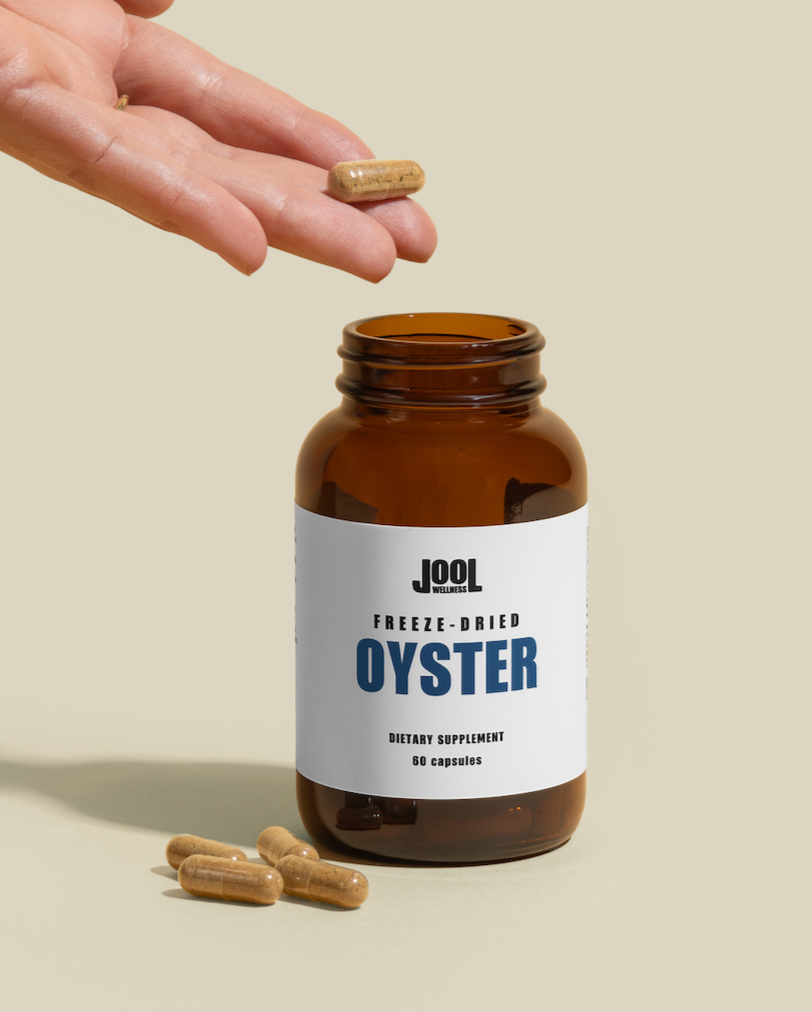
You can also pair them with our freeze dried oyster capsules for additional zinc, selenium, copper, and trace mineral support.
Shop HERE.
References
- Camaschella C. Iron-Deficiency Anemia. New England Journal of Medicine. 2015.
- Prasad AS. Zinc in Human Health: Effect of Zinc on Immune Cells. Molecular Medicine. 2008.
- Sommer A. Vitamin A Deficiency and Clinical Disease: An Historical Overview. Journal of Nutrition. 2008.
- Phillips SM. Dietary Protein for Athletes: From Requirements to Optimum Adaptation. Journal of Sports Sciences. 2014.
- O'Leary F, Samman S. Vitamin B12 in Health and Disease. Nutrients. 2010.
- Guo S, Dipietro LA. Factors Affecting Wound Healing. Journal of Dental Research. 2010.
- Calvo MS, Uribarri J. Public Health Impact of Dietary Phosphorus Excess on Bone and Cardiovascular Health in the General Population. American Journal of Clinical Nutrition. 2013.
 Back to Education