Is Beef Liver Toxic? 4 Myths About Freeze Dried Beef Liver Supplements
Mar 27, 2026
Beef liver is one of the most nutrient-dense foods on the planet. Yet despite the growing popularity of freeze dried beef liver supplements and beef liver capsules, it’s also one of the most misunderstood.
From “it stores toxins” to fears around vitamin A toxicity, there’s a lot of noise and very little nuance.
Let’s clear that up.
Myth #1: “The Liver Stores Toxins, So Eating It Is Dangerous”
This is one of the most common misconceptions. The liver is a filter, not a storage unit. Its role is to:
Process toxins
Neutralize them
Convert them into compounds the body can eliminate
Toxins are not stored in the liver. They are either broken down or excreted. If the liver truly “stored toxins,” it wouldn’t function and the animal wouldn’t survive. In fact, toxin levels in liver are no higher than those found in muscle meats and under normal circumstances, toxins are stored in fat or nerve tissue, not in the liver.
What the liver does store?
Vitamin A (retinol)
B12,
folate
iron (heme iron)
choline
copper
All in highly absorbable, bioavailable forms your body recognizes and uses efficiently.
This is especially important to understand when choosing high-quality grass fed beef liver capsules or freeze dried liver supplements.
Myth #2: “Beef Liver Is Toxic Because of Vitamin A”
Yes, liver is rich in preformed vitamin A (retinol). That’s not a flaw, it’s one of its biggest benefits. Vitamin A plays a critical role in:
Fertility
Hormone production
Immune function
Eye
cellular health
In fact, research shows vitamin A is essential for immune function, epithelial tissue integrity, and fetal development.
Where This Fear Actually Comes From
The concern around vitamin A didn’t come from whole foods like liver. It came from high-dose synthetic vitamin A. Historically, toxicity concerns have been linked to:
Pharmaceutical or synthetic forms of retinol (like retinyl palmitate)
Taken in large, isolated doses
Often ≥10,000 IU/day (or >3,000 µg RAE) over time
These forms behave very differently in the body compared to whole food sources.
Why Whole Food Vitamin A Is Different
Liver doesn’t just contain vitamin A (in the retinol form). It comes packaged with:
Vitamin D
Vitamin K2
Zinc
Copper
Amino acids and cofactors
These nutrients act as cofactors, helping the body:
Regulate how vitamin A is stored
Improve how it’s used
Prevent excessive accumulation in tissues
In other words, liver provides vitamin A in a naturally balanced system, not in isolation.
The Missing Context
Toxicity is associated with chronic, excessive intake of isolated (and often synthetic) forms, not moderate intake of whole foods. This is one reason many women explore beef liver capsules during pregnancy or periods of increased nutrient demand.
This is one of the most fear-driven narratives and also one of the most misunderstood. Liver has historically been discouraged during pregnancy largely due to concerns around vitamin A. But this perspective often lacks important context.
When you zoom out, liver is one of the most nutrient-dense foods available, often referred to as “nature’s multivitamin” for a reason.
It naturally contains:
Highly bioavailable heme iron
Vitamin B12
Folate
Choline
Vitamin A
These nutrients play essential roles in:
supporting maternal iron status
fetal brain development
cellular growth and development
nervous system development
This is one reason many women explore freeze dried beef liver supplements during pregnancy, especially because liver naturally contains highly bioavailable iron, B12, folate, and choline. Beef liver is also commonly discussed in conversations around iron deficiency and low ferritin due to its naturally occurring heme iron content.
So Where Did the Fear Come From?
The caution around liver is largely rooted in research on high-dose synthetic vitamin A, not whole food sources. There is a meaningful difference between:
Isolated, high-dose supplements taken daily vs.
Nutrients consumed in their natural, food-based form
Some research has suggested that high intake of liver during pregnancy may not be advisable. But that's very different from saying liver is unsafe altogether.
What the Data Actually Suggests
The key isn’t avoidance. It’s dose. Traditional diets didn’t include daily liver consumption, they included it periodically, as part of a varied, nutrient-dense diet. And when consumed this way, liver becomes a powerful tool for supporting pregnancy not something to fear.
This is also the philosophy behind how our beef liver capsules are designed. They are not mega doses of liver. They are micro doses intended to reflect how humans would naturally consume liver over time, not all at once and not in excess. Because the goal isn’t to overwhelm the body with nutrients. It’s to consistently support it in a way that aligns with how the body is designed to receive and utilize them.
Why We Use Freeze Dried Beef Liver
At Jool Wellness, our New Zealand beef liver capsules use freeze dried beef liver rather than high-heat processing methods. Freeze drying helps preserve nutrients in their whole food form while maintaining the integrity of naturally occurring vitamins, minerals, amino acids, and cofactors. This allows freeze dried liver supplements to more closely resemble the nutritional profile of fresh liver.
Myth #4: “More Is Better When It Comes to Nutrients”
This is where a lot of people get it wrong. Beef liver is powerful, which means: you don’t need a lot. The body tightly regulates nutrients like vitamin A, storing, mobilizing, and utilizing them as needed rather than passively accumulating them.
Whole food nutrients are designed to work with the body, not override it. And if you’ve read this far, you probably already know where we stand on this: You do not need to be mega-dosing yourself with nutrients or “superfoods.”
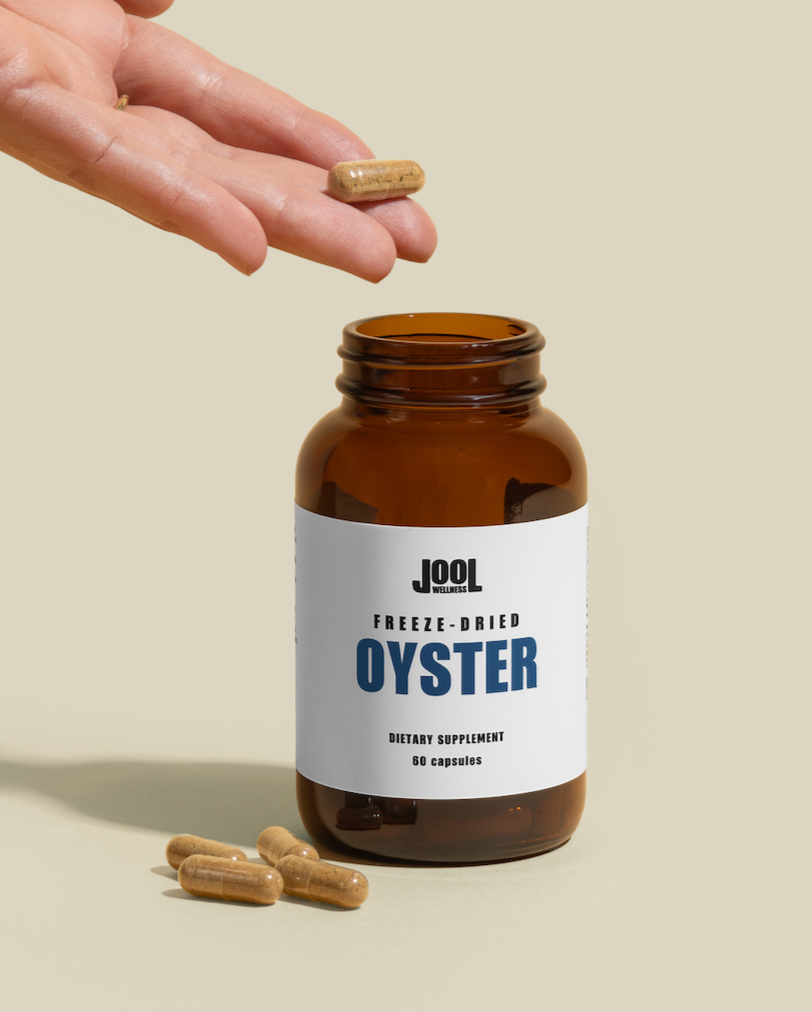
Our liver and oyster capsules are intentionally not mega doses. They are micro doses designed to reflect how humans would naturally consume these foods over time.
You wouldn’t eat an entire liver every day. You’d consume it periodically. Your body would store and use those nutrients over time.
Because more isn’t always better. Better is better :).
If You Feel Like You Need to “Mega Dose,” Look Deeper
If your body feels like it needs extremely high doses of nutrients just to function, that’s often a signal that something deeper is going on....that liver or any supplement for that matter cannot resolve. That is a lifestyle problem (just sayin). The goal isn’t to override the body with massive amounts of nutrients.The goal is to:
Support your body consistently
Improve absorption and utilization
Address the root cause of depletion
The Real Takeaway: Context Matters
Beef liver isn’t toxic. It’s one of the most nutrient-dense whole foods available, but like anything, it needs to be understood in context.
When sourced well from pasture-raised, grass-fed New Zealand cattle and consumed appropriately, freeze dried beef liver supplements can be an incredibly supportive addition to a nutrient-dense diet.
The problem isn’t liver. The problem is:
fear without context information without nuance applying extreme thinking to something that was never meant to be extreme
Final Thoughts
Nutrition isn’t about avoiding powerful foods. It’s about understanding how to use them. And liver, when used appropriately, is one of the most supportive foods you can include.
Try Our New Zealand Beef Liver and Oyster Today
If supporting your body with real, whole food nutrition resonates with you, our freeze-dried New Zealand beef liver and oyster capsules were designed with exactly that philosophy in mind.
We also suggest pairing your liver with our New Zealand Oyster. You can read more on the benefits and how to appropriately consume both at the same time HERE.
Because they pair so well together, we created a Liver and Oyster bundle (and also a pretty sweet discount per bottle).




 Back to Education